
Does Your Pet Need Emergency Care? Common Warning Signs

A sudden change in your pet can turn an ordinary day into a stressful one. Maybe your dog starts breathing oddly, your cat refuses to stand, or you notice blood where it shouldn’t be. In those moments, pet owners often ask the same question. Can this wait for a regular appointment, or does my pet need emergency care now?
Some symptoms require prompt veterinary attention because a pet’s condition can deteriorate quickly. Other problems may look alarming but can wait for a routine visit. Knowing the warning signs helps you recognize when to seek urgent care for your pet and gives your veterinary team clearer information when you call or arrive.
Breathing Trouble
Breathing problems can signal a serious emergency in dogs and cats. Watch for heavy breathing that doesn’t match your pet’s recent activity, visible effort with each breath, or unusual breathing sounds. A pet who can’t settle into a comfortable position may also struggle to breathe.
Gum color can offer another important clue. Healthy gums are usually pink, while blue, gray, purple, or very pale gums can indicate poor oxygenation or circulation. Cats need special attention because open-mouth breathing or panting can signal respiratory distress.
If your pet is having difficulty breathing, don’t wait for the problem to improve on its own. Contact a veterinary hospital right away so the team can prepare for your arrival and assess your pet promptly.
Collapse or Severe Weakness
Pets sometimes become tired after exercise, stress, or a busy day. Sudden collapse looks different. A dog or cat may fall over, struggle to stand, appear disoriented, or respond poorly to your voice.
Several serious problems can cause collapse, so the symptom deserves prompt attention even when your pet seems better a few minutes later. Internal bleeding, heart problems, heat illness, or toxin exposure can cause weakness or loss of consciousness.
When you contact vets in Litchfield Park, AZ about sudden collapse, describe what happened before the episode and how long it lasted. Share any changes in breathing, gum color, or awareness that you noticed. Those details can help the veterinary team understand how urgently your pet needs evaluation.
Repeated Vomiting or Diarrhea
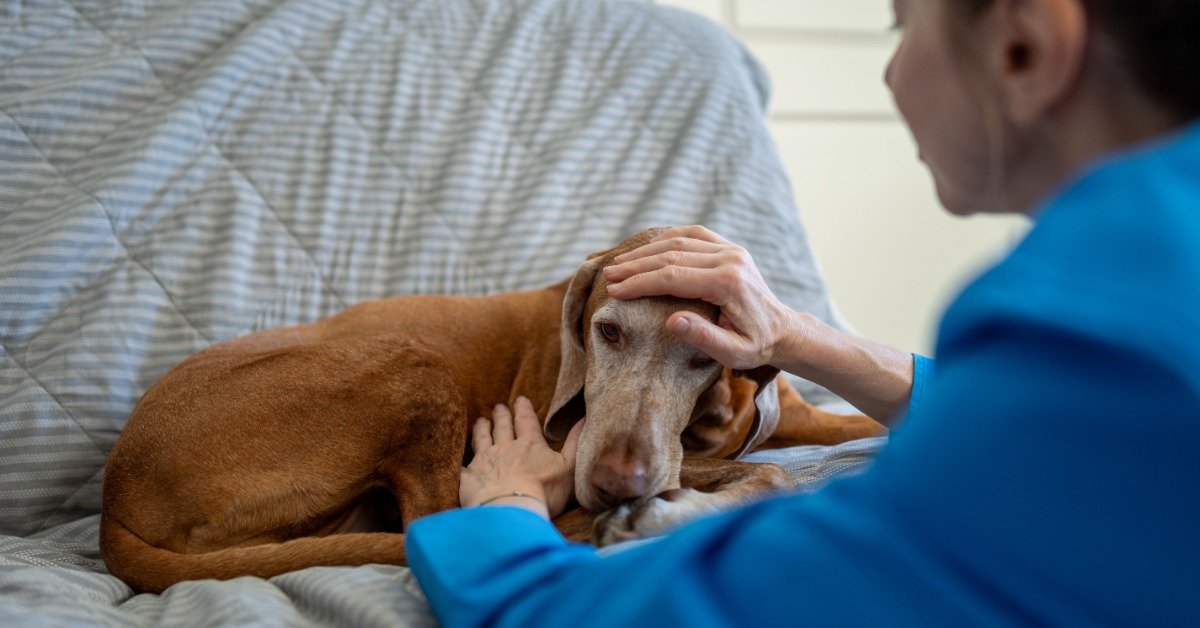
A single episode of vomiting or loose stools doesn’t always indicate an emergency. Repeated episodes raise concern, especially when your pet can’t keep water down or becomes weak. Puppies, kittens, senior pets, and pets with ongoing health problems can decline more quickly when they lose fluids.
Blood in vomit or stool also raises concern. Black, tar-like stool may indicate bleeding in the digestive tract. A swollen or painful abdomen alongside vomiting can signal a more urgent problem.
Pay attention to your pet’s overall behavior instead of focusing only on the mess. If vomiting or diarrhea persists and your pet becomes less responsive, seek veterinary care promptly.
Seizures
A seizure can look frightening, especially when your pet has never had one. You may see uncontrolled body movements, drooling, stiffness, or loss of awareness. Some pets appear confused or unsteady after the episode ends.
Keep your hands away from your pet’s mouth during a seizure because your pet may bite without meaning to. Move nearby objects out of the way when you can do so safely. Note how long the seizure lasts and what your pet does before and after it.
Contact a veterinarian after a seizure, even if your pet seems to recover. A seizure that lasts several minutes or repeated seizures can require emergency attention.
Trauma Can Hide Internal Injuries
A pet may walk away from an accident and still have a serious injury. Car accidents, hard falls, animal attacks, or other significant trauma can damage the chest or internal organs without leaving an obvious wound.
Look for rapid breathing, weakness, swelling, or unusual behavior after a traumatic event. Some pets hide pain well, so normal-looking behavior doesn’t always rule out injury. A frightened pet may also react differently than usual when you try to pick them up.
Call a veterinary hospital after significant trauma and explain what happened. The veterinary team can tell you how quickly your pet needs evaluation and how to transport your pet as safely as possible.
Poisoning
Pets explore the world with their mouths, which can expose them to harmful foods, medications, household products, or plants. Signs of poisoning vary widely. Vomiting, shaking, unusual sleepiness, or sudden behavior changes can appear after exposure.
If you know or suspect that your pet swallowed something harmful, contact a veterinarian or a pet poison service right away. Keep the package or product information nearby if you have it. The name of the substance and the amount your pet may have ingested can help professionals decide what steps to take.
Don’t make your pet vomit or give a home remedy unless a veterinarian or poison professional specifically directs you. Some substances can cause more harm when they come back up.
Bloating and Retching
A suddenly enlarged abdomen can indicate a serious problem, especially when a dog also appears restless or tries to vomit without bringing anything up. Some dogs may pace, drool, or seem unable to get comfortable.
Abdominal swelling can have several causes, and some require immediate treatment. Don’t wait for the swelling to go away if your pet also shows pain, weakness, or repeated retching.
Call an emergency veterinary provider and describe the abdominal change clearly. Fast evaluation can help the veterinary team identify the cause and decide what treatment your pet needs.
Heavy Bleeding or Eye Injuries
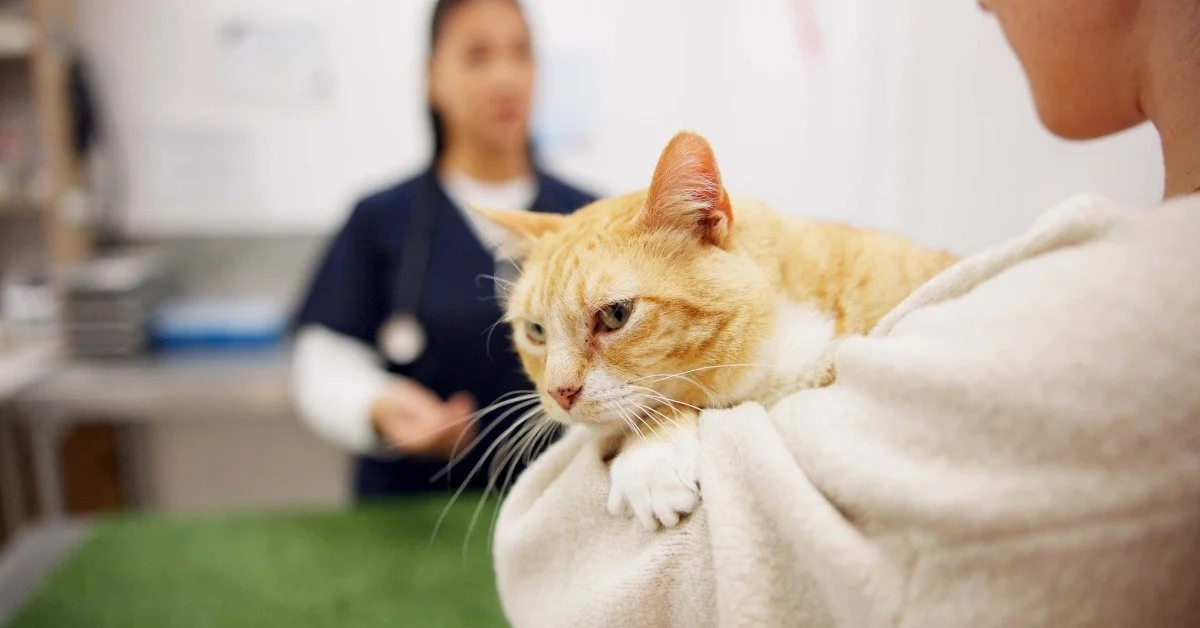
Minor scrapes may not require emergency treatment, but heavy bleeding calls for faster help. A wound that continues to bleed despite gentle pressure may need urgent veterinary attention. Deep wounds can also damage tissue below the skin.
Eye injuries require prompt care because damage can worsen quickly. Squinting, swelling, visible injury, or an eye that appears unusually cloudy can signal a problem that needs veterinary evaluation.
Avoid putting medications or household products on an injured eye unless a veterinarian tells you to do so. When you call, explain what caused the injury if you know.
Know When Your Pet Needs Help Now
Pet owners know their animals’ normal routines better than anyone. Knowing the warning signs that your pet needs emergency care will help your pet get the help they need. You don’t need to identify the cause before seeking help.
When you feel unsure, contact a veterinary professional and describe exactly what you see. The Complete Pet Animal Hospital provides emergency pet services for dogs and cats in the Litchfield Park area. A prompt conversation can help you understand the next step and ensure your pet receives the level of care the situation requires.
