
Why Diagnostic Imaging Can Be Critical for Pet Health
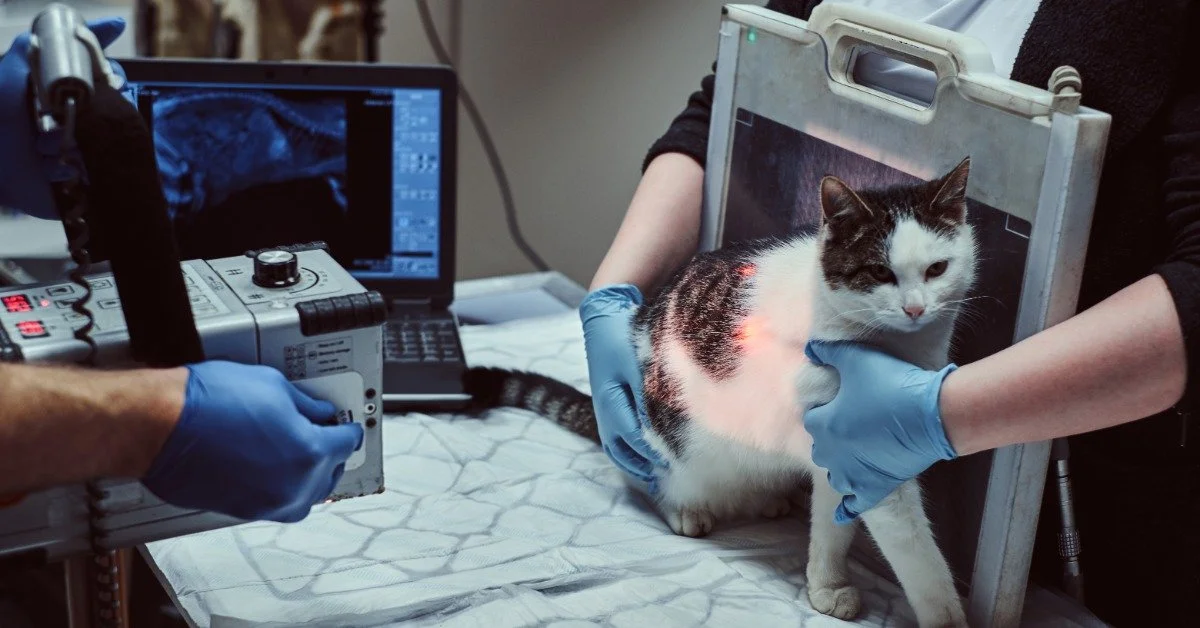
Your dog suddenly refuses breakfast after acting normal the night before. Your cat starts hiding and seems uncomfortable when you pick them up. Those changes may raise concern, yet pets can’t explain where they hurt or what feels different.
A physical exam can reveal critical clues, but some health problems develop inside the body where a veterinarian can’t see them directly. Diagnostic imaging gives veterinarians another way to investigate symptoms, narrow down possible causes, and understand what may be happening beneath the surface. Keep reading to discover why diagnostic imaging can be critical for pet health.
Looking Beneath the Surface
A hands-on exam can reveal a great deal about a pet’s health. The veterinarian can listen to the heart and lungs, palpate the abdomen, examine the mouth, and observe how the pet moves. Still, the exam may not answer every question when a problem involves internal organs or other structures.
Diagnostic imaging can reveal areas that a physical exam can’t detect. Depending on the pet’s symptoms, a veterinarian may recommend an X-ray or ultrasound to gather more information. Each imaging modality provides a different view, so the veterinarian can choose the option that best fits the concern.
Imaging doesn’t replace the physical exam. Instead, it can add useful detail to the information the veterinarian already has.
When Symptoms Need a Closer Look
Some symptoms point to a fairly clear problem. Others overlap with several possible conditions, making the cause harder to identify.
A pet might stop eating, seem unusually tired, or react when someone touches the abdomen. A dog may begin limping without an obvious wound. A cat may hide more often while showing few outward signs of discomfort. In situations like these, imaging can assist a veterinarian investigate what may be happening inside the body.
The veterinarian may also use imaging when symptoms change quickly or persist longer than the owner expected. A clearer internal view can help the veterinary team determine what information they still need before deciding on the next step.
What X-Rays Can Show
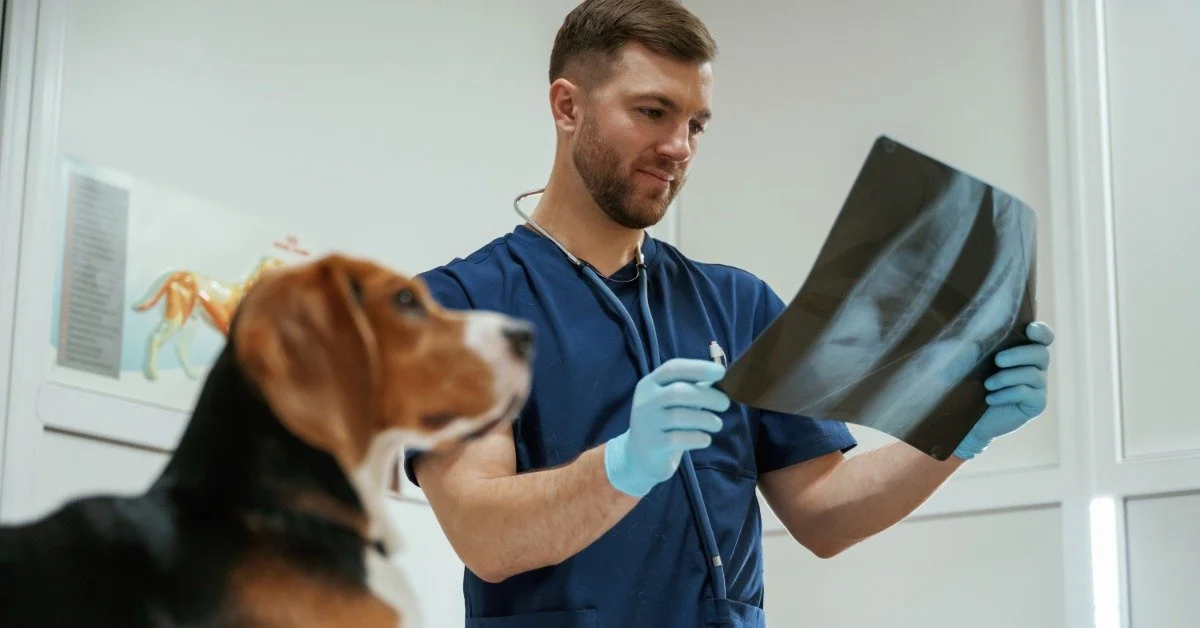
X-rays give veterinarians a useful look at dense structures and some changes inside the chest or abdomen. They can help a veterinarian examine bones after an injury or look for changes that may explain coughing or breathing concerns. A veterinarian may also use X-rays to investigate certain digestive problems when the pet’s symptoms suggest something unusual inside the abdomen.
An X-ray produces a still image, so it works well for questions that a single view can help answer. The veterinarian may take more than one view to understand the location or shape of a finding.
Because many health problems can cause similar symptoms, an X-ray finding rarely tells the whole story by itself. The veterinarian combines the image with the physical exam and the pet’s history to build a more complete picture.
How Ultrasound Adds Detail
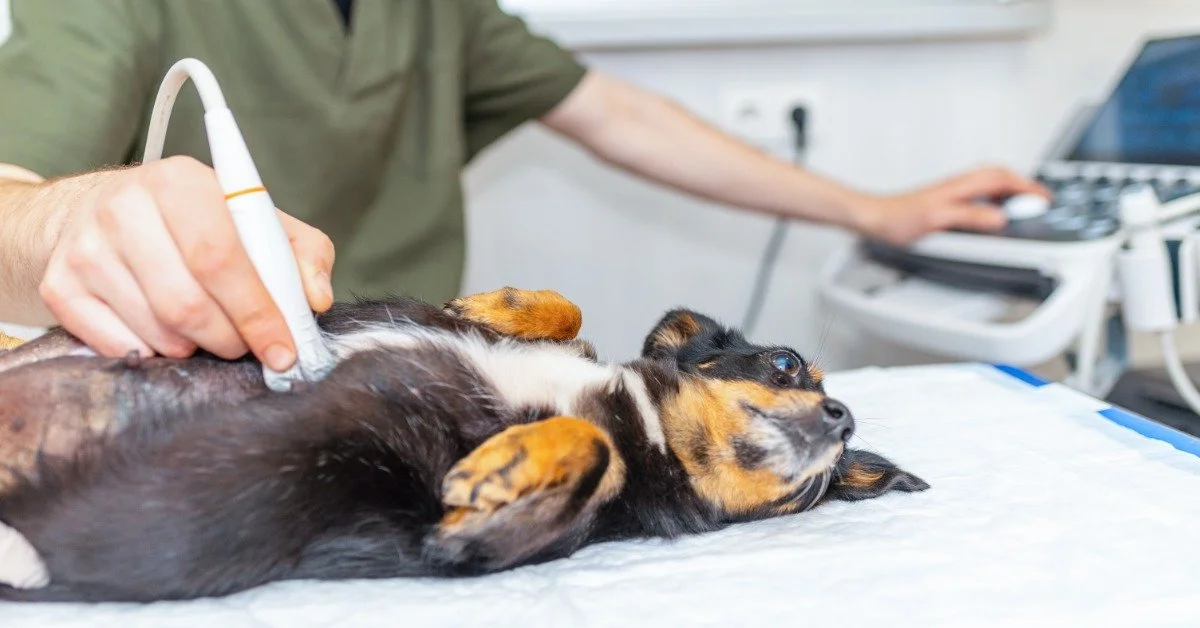
An ultrasound creates images thanks to the help of sound waves. It can help a veterinarian examine organs in the abdomen and observe certain structures in real time. That moving view can provide information that an X-ray can’t show as clearly.
A veterinarian may recommend ultrasound when a pet has ongoing digestive signs or abdominal discomfort. Ultrasound can also help the veterinary team take a closer look at the size and appearance of internal organs when other findings raise questions.
The pet’s symptoms still guide the process. The veterinarian considers the exam findings first, then decides whether ultrasound could provide useful answers.
Imaging During an Urgent Visit
Diagnostic imaging can become especially valuable when a pet develops sudden or severe symptoms. During emergency pet services, the veterinary team may need to gather information quickly while the pet shows signs that could have more than one cause.
For example, a pet with sudden abdominal pain may need more than a visual exam. A pet that struggles to breathe may also need imaging so the veterinarian can evaluate the chest. When a pet experiences trauma, imaging can help the veterinarian look for internal changes that may not appear on the outside.
Speed can play an important role during urgent care, but the veterinarian still chooses tests based on the pet’s condition. Imaging can support that decision-making process by revealing details that symptoms alone can’t provide.
Why Earlier Answers Can Help
Pet owners often notice small changes before a health problem becomes obvious. A pet may eat less, avoid stairs, or choose a different sleeping spot. Those changes don’t always signal a serious condition, but they can give a veterinarian valuable context.
When an exam raises a concern, diagnostic imaging may help the veterinarian investigate sooner. That information can reduce uncertainty and guide the veterinary team in deciding whether the pet needs additional testing or treatment. In other cases, the veterinarian may recommend continued monitoring.
Earlier answers can also help pet owners understand what comes next. Rather than relying solely on outward signs, the veterinarian can provide details about what the images show and how those findings align with the pet’s symptoms.
Imaging Works With Other Diagnostic Tools
Veterinarians rarely rely on a single source of information. They review the pet’s history and physical exam, then choose additional diagnostics when the situation calls for them. Imaging can complement laboratory testing to help clarify what may be affecting the pet.
The order of those steps can vary. A veterinarian may recommend bloodwork before imaging in one case and choose imaging first in another. The pet’s symptoms and overall condition guide those decisions. Age can also influence the diagnostic plan.
That flexible approach helps the veterinarian focus on the most useful information rather than ordering the same tests for every pet. Diagnostic imaging becomes one part of a broader effort to understand the pet’s health.
What Pet Owners Can Do
Pet owners can help the veterinary team by watching for changes at home. Note when a symptom started and whether it has become more noticeable. Share any changes in eating, drinking, bathroom habits, movement, or behavior during the visit.
Clear observations provide the veterinarian with useful context before the exam begins. If the veterinarian recommends imaging, ask what the test may reveal and how the results could affect the next step.
Sudden distress or a major change in normal behavior may require prompt veterinary evaluation. A veterinary team can assess the situation and determine whether diagnostic imaging is critical for the pet’s health and can help identify the cause.
A Clearer View Leads to Better Decisions
Diagnostic imaging gives veterinarians a way to look beyond what they can see and feel during a physical exam. X-rays and ultrasound can provide important details when symptoms remain unclear, or a pet needs urgent evaluation. That extra information can help the veterinary team make more informed decisions about the next stage of care.
If your dog or cat starts acting differently, a veterinary evaluation can help clarify the cause. The Complete Pet Animal Hospital in Litchfield Park, Arizona, cares for dogs and cats through routine visits and emergency services, giving local pet owners a place to turn when health concerns arise.
