
How To Spot Early Signs of Kidney Issues in Pets
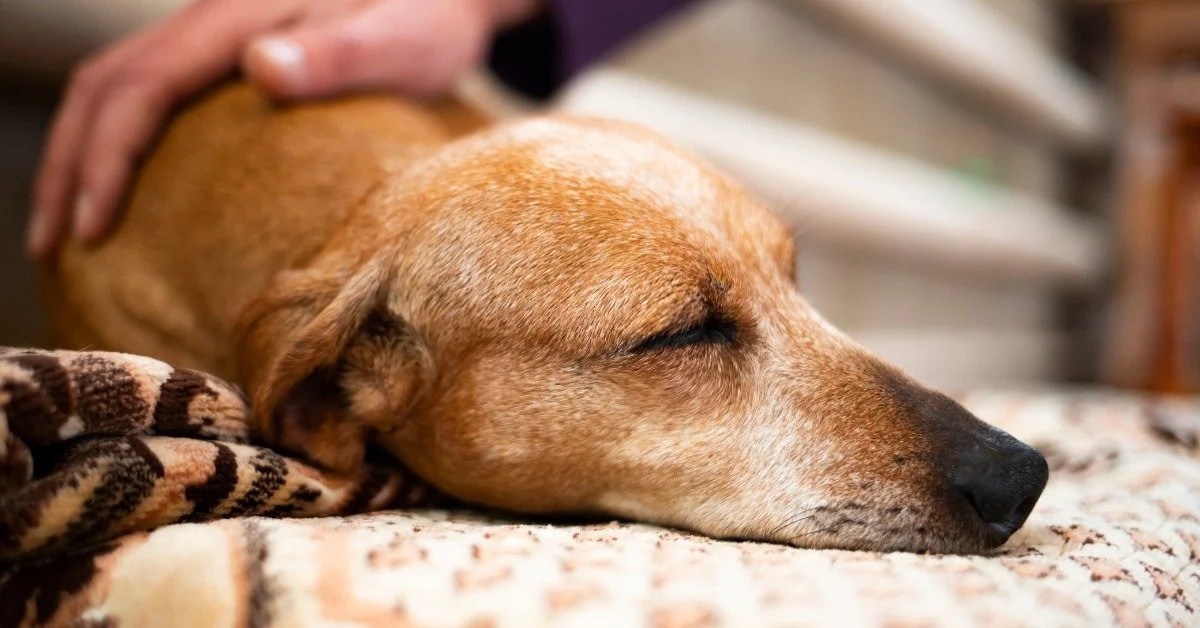
Your pet can’t explain that something feels different, so early kidney problems often show up through small changes at home. A water bowl empties faster. A dog asks to go outside more often, or a cat leaves larger clumps in the litter box.
Those changes may seem harmless, especially during hot weather or after a busy day. Still, a new pattern can offer an important clue about your pet’s health. Careful observation helps you recognize when a habit shifts from normal to unusual. Continue reading for a closer look at how to spot early signs of kidney issues in pets.
Why Kidneys Need Attention
The kidneys filter waste from the blood, balance fluids and minerals, and support vital body functions. When kidney function declines, the body may struggle to remove waste or hold on to enough water. Dogs and cats often compensate by drinking and urinating more.
Kidney issues can develop slowly or appear suddenly after illness, injury, dehydration, infection, or toxin exposure. Older pets face a higher risk of chronic kidney disease, but younger pets can also develop kidney problems. Routine veterinary services can help identify changes before obvious symptoms disrupt daily life.
Watch the Water Bowl
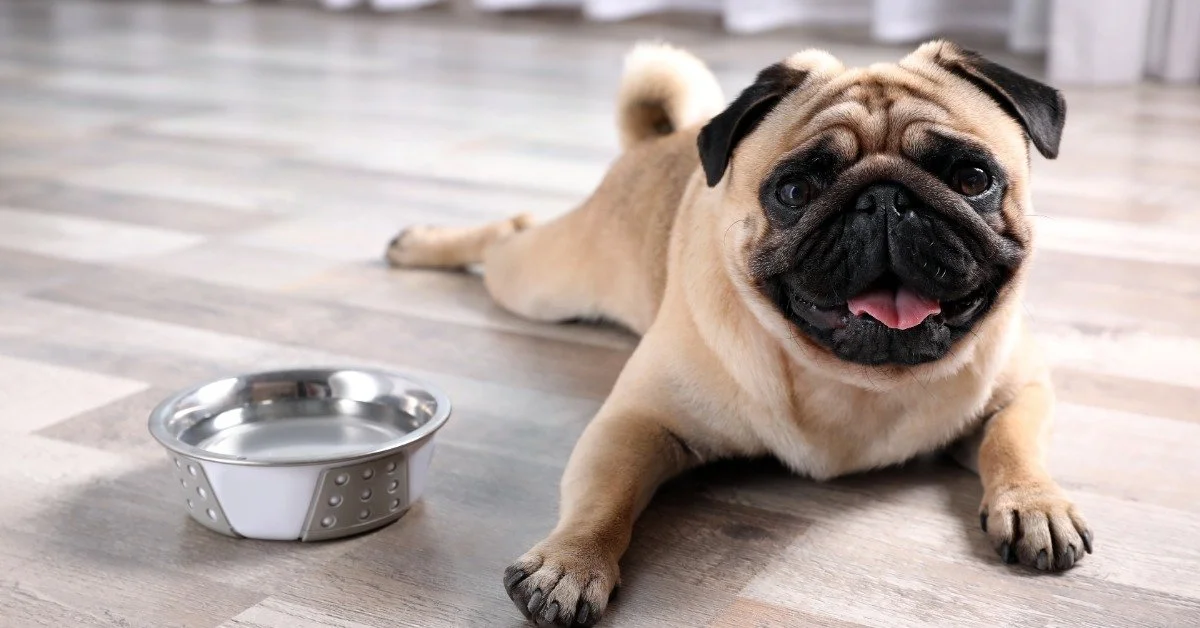
Increased thirst often provides one of the earliest visible signs. You may refill the bowl more often, hear your pet drinking at unusual times, or notice longer visits to the water dish.
Weather, activity, diet, and some medications can affect thirst, so one thirsty afternoon doesn’t automatically point to kidney trouble. Look for a consistent change that lasts beyond a day or pairs with other symptoms. Track how often you refill the bowl and share that information with your veterinarian.
Never restrict access to water because your pet drinks more than usual. The body may use that extra water to compensate for increased fluid loss. A veterinarian can evaluate the cause and recommend the next step.
Notice Urination Changes
More drinking often leads to more urination. A house-trained dog may need extra bathroom trips, wake you during the night, or have an accident indoors. A cat may produce larger litter clumps or visit the box more often.
Pay attention to frequency, volume, color, odor, and comfort. Straining, crying, blood in the urine, or repeated attempts with little output can signal a urinary emergency rather than a behavior problem. Contact a veterinary professional promptly when you notice those signs.
Some owners assume older pets simply lose house-training skills. Age can change routines, but it doesn’t explain every accident. A new bathroom pattern deserves attention, especially when thirst also increases.
Check Appetite and Weight
Kidney problems can affect appetite before a pet completely refuses food. Your dog may leave part of a meal, eat more slowly, or lose interest in favorite treats. Your cat may sniff food and walk away or return several times without finishing.
Small appetite changes can lead to gradual weight loss. Long fur can hide a thinner frame, so use your hands as well as your eyes. Feel along the ribs, spine, hips, and shoulders, and note any change from your pet’s usual body condition.
Weigh smaller pets at home when possible, or ask the clinic to record weight during visits. Weight loss can come from many conditions, so testing helps identify the cause.
Look for Energy Shifts
Kidney issues may leave pets tired, weak, or less interested in normal activities. A playful dog may shorten walks, lag, or stop bringing toys. A social cat may sleep longer, hide more often, or avoid jumping onto favorite surfaces.
These changes can develop so gradually that families adjust without noticing. Compare current behavior with your pet’s habits from several weeks or months ago.
Don’t dismiss low energy as laziness or normal aging. Older pets still show individual patterns, and a meaningful change can point to discomfort or illness. Your veterinarian can consider kidney function along with other possible causes.
Pay Attention to the Stomach
Waste buildup can upset the stomach as kidney function declines. Pets may show nausea through lip licking, drooling, vomiting, or less interest in food. Some pets approach the bowl but back away after smelling the meal.
An occasional upset stomach may come from many causes. Repeated vomiting, poor appetite, or symptoms that occur with increased thirst and urination deserve a veterinary appointment. Quick evaluation can reduce dehydration and further strain.
Check the Mouth and Coat
Kidney problems can sometimes change a pet’s breath. You may notice a strong, unpleasant, or chemical-like odor that differs from typical dental odor. Mouth irritation may also cause drooling or reluctance to chew.
Bad breath more often comes from dental disease, so don’t identify the cause by smell alone. A veterinarian can examine the mouth and evaluate the full pattern of symptoms. Mention appetite loss, vomiting, or drinking changes during the visit.
Cats often reduce grooming when they feel unwell, which can leave the coat dull, greasy, or clumped. Dogs may also develop a rougher coat or show less interest in self-care. Coat changes don’t confirm kidney disease, but they can support a larger pattern.
Know What Needs Fast Care
Some kidney and urinary signs call for prompt attention. A pet that produces little or no urine, strains repeatedly, vomits several times, collapses, seems severely weak, or refuses water may need urgent care. Suspected exposure to antifreeze, certain human medications, grapes, raisins, or other toxins also requires immediate veterinary contact.
Don’t wait for several symptoms to appear when your pet seems seriously ill. Kidney injury can progress quickly, and early evaluation gives the veterinary team more options. Bring any packaging or product information when you suspect toxin exposure.

Prepare for the Appointment
Write down when you first noticed the change and how often it occurs. Note water intake, bathroom habits, appetite, vomiting, weight, energy, medications, supplements, and possible toxin exposure. Clear details help the veterinary team understand what changed at home.
Your veterinarian may recommend an exam, bloodwork, urinalysis, blood pressure measurement, or imaging based on the symptoms. These tools help assess kidney function and rule out other conditions that can cause similar signs. Follow-up testing may help the team compare results over time.
Avoid changing food, supplements, or medications without veterinary direction. Those changes can affect symptoms or test results. Bring a complete list of everything your pet receives, including nonprescription products.
Build a Useful Baseline
Regular wellness visits create a health record before your pet develops visible symptoms. Weight, blood values, urine findings, and blood pressure results give the veterinarian useful points of comparison. Senior pets often benefit from more frequent screening because age increases the risk of kidney disease and other chronic conditions.
At home, learn your pet’s normal patterns. Know how often you fill the water bowl, how large the litter clumps usually look, how much food your pet finishes, and how active your pet feels. Familiarity makes subtle changes easier to spot.
Trust the Pattern You See
Early kidney issues rarely announce themselves with one dramatic sign in pets. They often appear through quiet changes, such as extra thirst, larger urine volume, weight loss, lower energy, reduced appetite, vomiting, or unusual breath. You know your pet’s routines better than anyone, so take persistent changes seriously.
A veterinary visit doesn’t always lead to a kidney diagnosis, since many conditions can cause similar symptoms. It does give your pet a chance for a careful evaluation and a clear plan. When you notice changes early and share specific details, you help your veterinarian protect your pet’s comfort and quality of life.
