
Understanding Your Pet’s Blood Pressure: Why It Matters
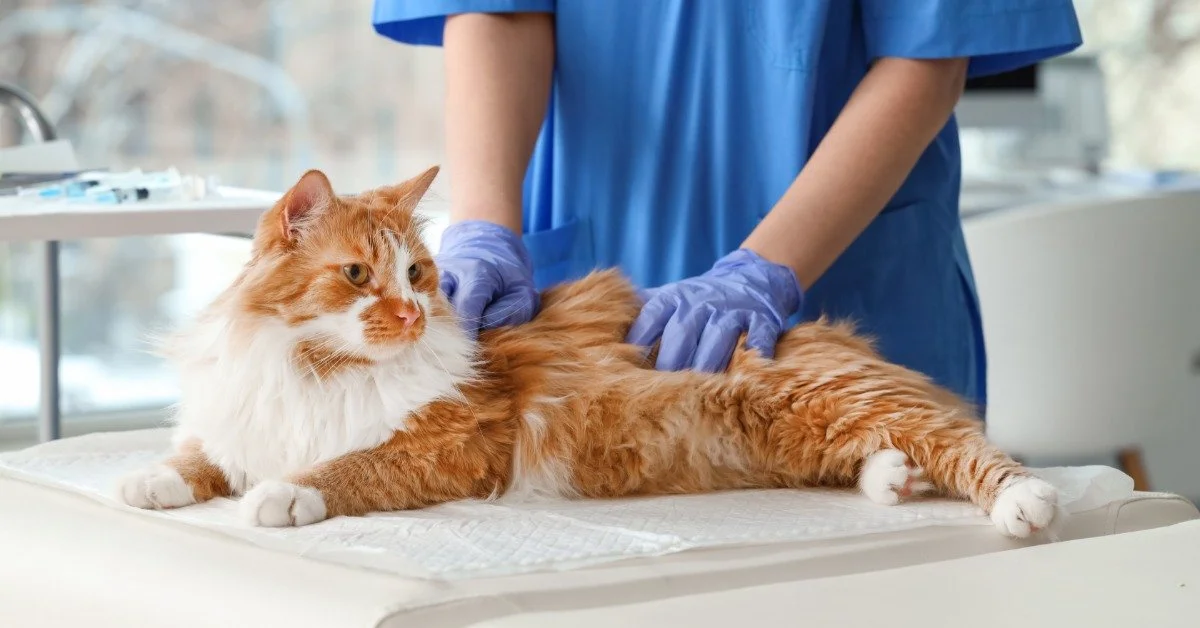
When people hear the words blood pressure, they usually think about human health. Pets have blood pressure too, and it plays a big role in how well the body works every day. Blood pressure affects the heart, brain, kidneys, and eyes, so even a small shift can create bigger health concerns over time.
Many pet owners don’t consider blood pressure until a veterinarian brings it up during an exam. That’s understandable because high or low blood pressure often develops quietly. A dog or cat may seem normal at first, even as the body struggles behind the scenes.
Once you understand what blood pressure is, it becomes easier to see why veterinarians pay attention to it. Routine monitoring helps catch problems earlier and gives your pet a better chance of staying comfortable, active, and healthy. This blog will help you understand your pet’s blood pressure and why it matters.
What Blood Pressure Means for Pets
Blood pressure is the force with which blood pushes against the walls of the arteries as the heart pumps. That pressure helps carry oxygen and nutrients throughout the body. It supports every organ and tissue, from the brain to the paws.
A healthy level keeps the body balanced. If the pressure runs too high, it can strain blood vessels and damage important organs. If it drops too low, the body may not receive enough blood flow to function well.
Dogs and cats can both experience changes in blood pressure. Cats often develop high blood pressure alongside other health issues, while dogs can face blood pressure problems for several reasons. In both cases, veterinarians look at the full picture rather than focusing on a single number.
Why Veterinarians Monitor It
Veterinarians check blood pressure because it provides useful information about your pet’s overall health. It can reveal hidden diseases, help track chronic conditions, and guide treatment decisions. In some cases, it also helps explain symptoms that initially seem unrelated.
Blood pressure can rise with kidney disease, hormonal disorders, heart disease, and other medical conditions. It can also drop during serious illness, dehydration, blood loss, or shock. Because blood pressure reflects what the body is handling at that moment, it offers valuable clues during both routine visits and urgent evaluations.
That’s one reason a team may recommend blood pressure testing during wellness visits, senior exams, or sick visits. If a pet shows signs that require immediate attention, blood pressure testing becomes even more important. During pet urgent care visits in Litchfield, AZ, that information can help the veterinary team assess stability and determine what support a pet needs right away.
Signs Something May Be Wrong
Blood pressure problems don’t always cause obvious symptoms early on. Some pets continue eating, sleeping, and playing as usual while the issue progresses in the background. That silent pattern makes routine veterinary care especially helpful.
When symptoms do appear, they can vary widely. A pet with high blood pressure may seem restless, disoriented, or less interested in normal activities. Some pets develop sudden vision problems, bump into furniture, or seem startled in familiar spaces. Others may seem weak or unusually withdrawn.
Low blood pressure can look different. A pet may act tired, shaky, or faint. Pale gums, weakness, rapid breathing, or collapse can also signal a serious problem. These signs don’t always point to blood pressure alone, but they do tell you your pet needs veterinary attention.
Because the signs overlap with many other conditions, guessing at home usually doesn’t help. A veterinarian can evaluate the symptoms, measure blood pressure, and figure out what drives the change.
What High Blood Pressure Can Do
High blood pressure, also called hypertension, puts extra strain on the body. Over time, that strain can damage delicate blood vessels and organs. Pets can’t tell you when that damage begins, so veterinarians watch closely for subtle signs.
The eyes often show some of the earliest visible effects. A pet may have bleeding inside the eye, retinal damage, or sudden blindness. The kidneys can also suffer because high pressure makes their job harder and can worsen existing kidney disease.
The heart and brain can feel the effects, too. High blood pressure may increase cardiac workload and contribute to changes in circulation. In severe cases, pets may develop confusion, balance issues, or seizures.
That’s why veterinarians take hypertension seriously. It’s not just a number on a chart. It can change how your pet sees, feels, and functions from day to day.
What Low Blood Pressure Can Do
Low blood pressure may sound less alarming, but it can become dangerous very quickly. When pressure falls too low, the body struggles to deliver enough blood to major organs. The heart, brain, and kidneys all depend on steady circulation.
A sharp drop may happen with dehydration, severe infection, blood loss, or trauma. Pets under anesthesia also need close monitoring because blood pressure can shift during procedures. Veterinary teams check those changes carefully so they can respond fast if pressure drops.
Low blood pressure often appears alongside bigger medical problems rather than on its own. That’s why treatment focuses on stabilizing the pet and identifying the underlying cause. Once the team addresses the source, blood pressure often improves along with the pet’s condition.
How Veterinarians Check Blood Pressure
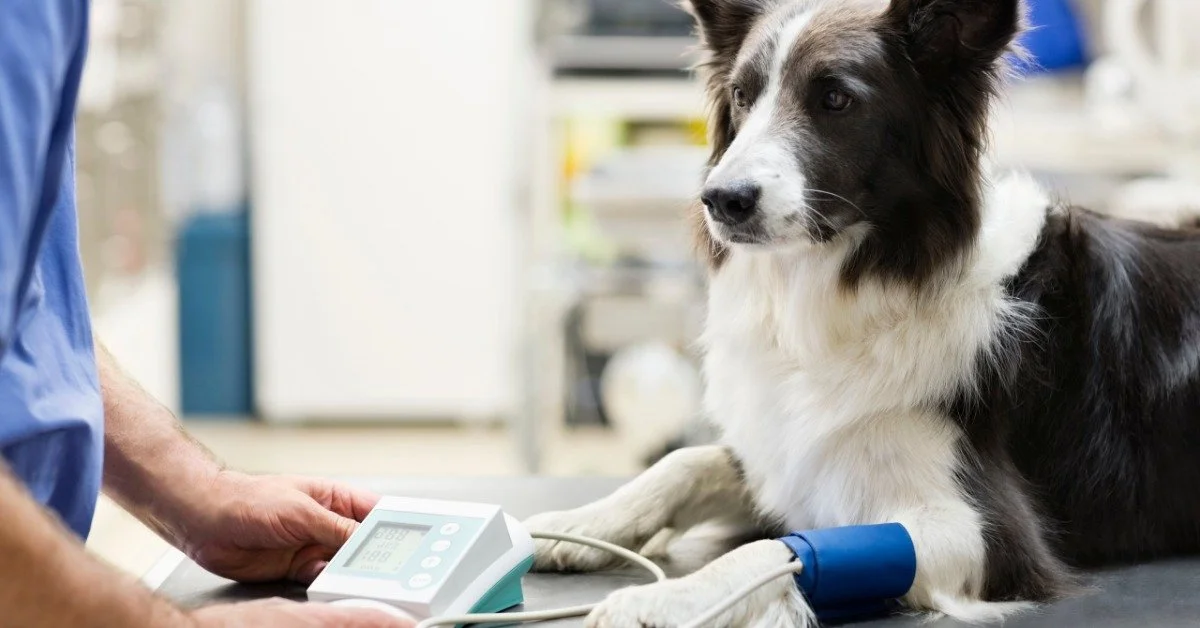
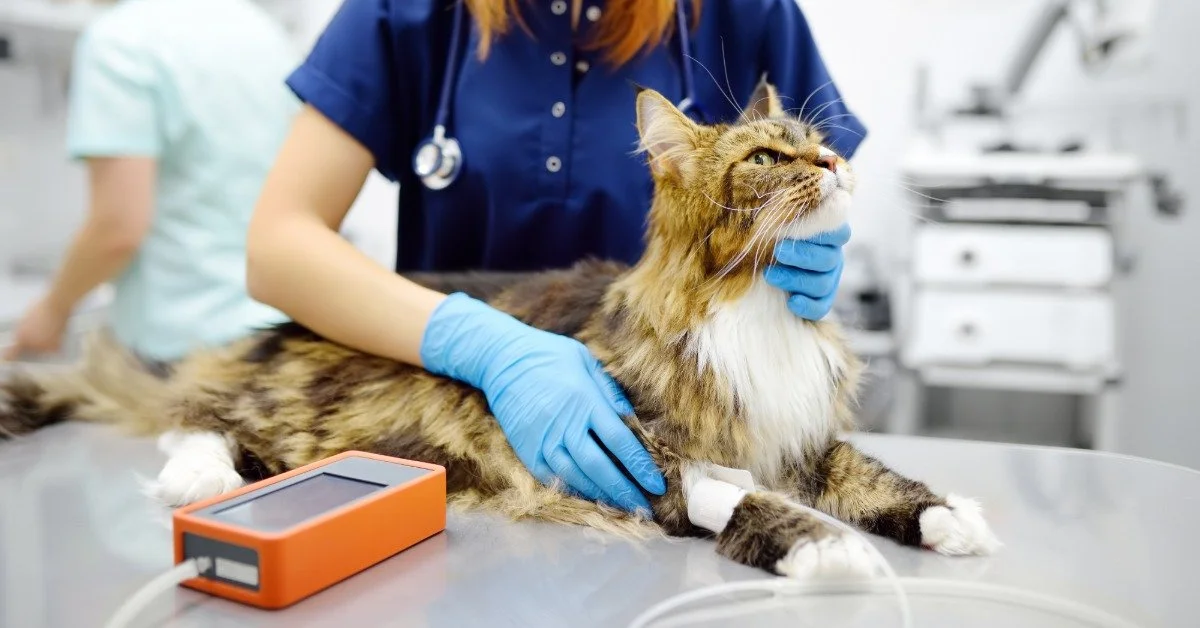
Blood pressure testing in pets usually looks simple, but it requires patience and good technique. A veterinary professional places a small cuff around the leg or tail, then uses specialized equipment to measure the reading. The process resembles a blood pressure check in people, though pets may need a little extra time to relax.
Stress can affect the result, especially in cats and nervous dogs. Some pets feel anxious in the exam room, which can cause a temporary rise. Veterinary teams know this and often take several readings to get a more accurate picture.
They also consider your pet’s age, health history, behavior, and current symptoms. One reading doesn’t tell the whole story. Trends over time often help the veterinarian make the best decision.
Which Pets May Need Closer Watch
Senior pets often benefit from more frequent blood pressure monitoring because age-related conditions become more common over time. Cats with kidney disease or thyroid disease may need regular checks. Dogs with heart concerns, hormone disorders, or chronic illness may also need closer follow-up.
A veterinarian may recommend testing if your pet shows vision changes, weakness, confusion, or other unusual symptoms. Pets receiving treatment for an ongoing condition may need repeated monitoring to see how they respond. Even when a pet seems stable, these checks can reveal changes before they turn into bigger problems.
Routine exams give veterinarians a chance to spot those patterns. They can compare readings, look for warning signs, and decide whether more testing or treatment makes sense.
What Pet Owners Can Do
Pet owners play an important role by paying attention to changes in behavior, energy, appetite, and vision. Small shifts often offer the first clue that something feels off. If your pet seems unsteady, confused, weak, or suddenly less engaged, it’s worth calling your veterinarian.
Keeping up with regular exams also helps. Preventive care allows your veterinary team to track your pet’s health over time instead of reacting only when symptoms become severe. That bigger picture can make diagnosis faster and treatment more effective.
It also helps to share a clear history during visits. Let the veterinarian know when symptoms started, how often they happen, and whether they seem to worsen. Those details can guide the exam and support better care.
A Small Number With Big Importance
Blood pressure may not be something you think about every day, but it plays a powerful role in your pet’s health. It affects how the body delivers oxygen, supports organs, and responds to illness. When blood pressure shifts too high or too low, the effects can reach far beyond one part of the body.
The good news is that veterinarians can monitor it, track patterns, and use that information to guide care. With routine exams and prompt attention to concerning symptoms, pet owners can help catch problems earlier.
If your dog or cat seems off in any way, don’t brush it aside. A simple blood pressure check can reveal important clues and help your veterinary team protect your pet’s comfort and quality of life.
