How To Care for Your Pet After Dental Surgery
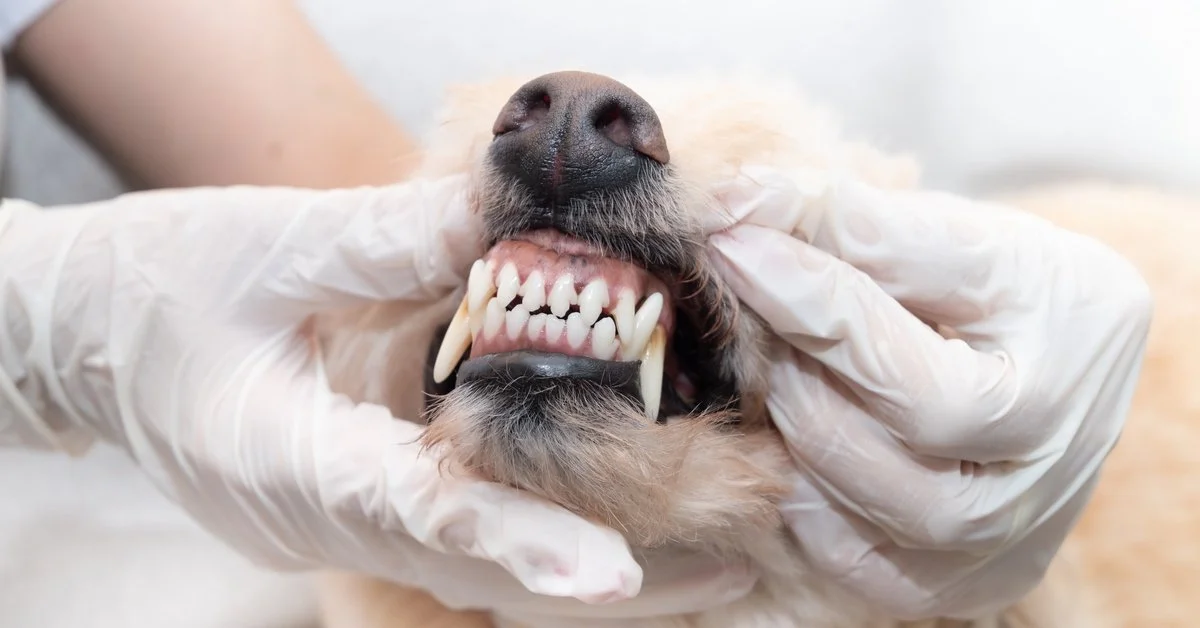
Bringing your pet home after dental surgery can feel both relieving and a bit overwhelming. You want to help them rest, stay comfortable, and recover smoothly. Many dogs and cats act sleepy, quiet, or a little off for a day or two, so it’s helpful to know what to expect and how to support them.
A calm recovery period can make a significant difference. Your pet needs time, patience, and close attention after a dental procedure. When you understand the essentials of aftercare, you can feel more confident, and your pet can feel safer. Below you’ll find tips to help you successfully care for your pet after dental surgery.
Start With a Quiet Recovery Space
Your pet will likely come home tired after anesthesia and the procedure itself. Set up a quiet place where they can rest away from noise, foot traffic, and other pets. A cozy bed, dim lighting, and a calm room can help them settle in faster.
Dogs may pace for a short time before relaxing. Cats might hide under furniture or find a tucked-away corner. Allow them to decompress, but keep them where you can easily check on them. A calm environment promotes healing and helps you notice any changes early.
Watch for Normal Post-Surgery Behavior
Pets often seem sleepy, less active, or unsteady when they first come home. Some may sleep most of the day. Others might be clingy, restless, or quieter than usual. These reactions are common after anesthesia and dental procedures.
You might notice some drooling or mild mouth sensitivity. Some pets may want to eat later than usual, while others need more time before feeling ready. As long as your pet improves steadily, these early changes generally follow a normal recovery pattern.
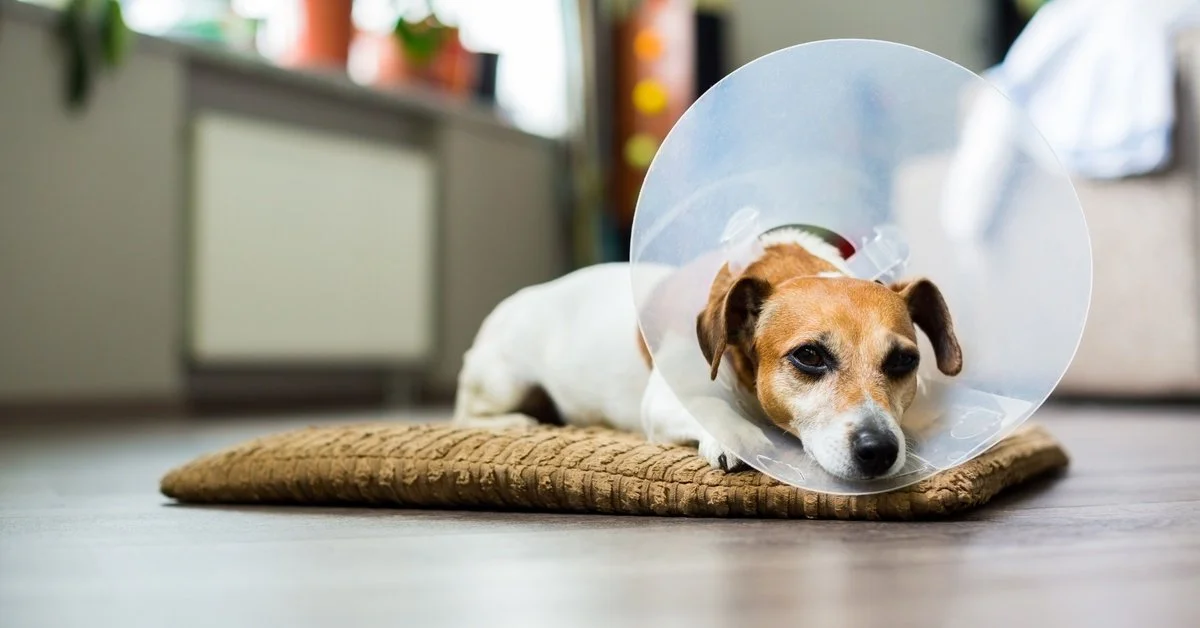
Follow the Discharge Instructions Closely
Your veterinary team will provide specific instructions for your pet’s procedure. These directions are important because each dental surgery is different. One pet might only need a routine cleaning with minor treatment, while another may require extractions or treatment for more advanced dental issues.
Read the paperwork as soon as you get home. Pay close attention to feeding instructions, medication schedule, activity restrictions, and signs that require a recheck. If anything isn’t clear, call the clinic and ask. Good aftercare begins with the plan your veterinarian made for your pet.
Offer Food the Right Way
Your pet’s mouth may feel sore after dental surgery, so soft food often works best during recovery. If your veterinarian recommends a temporary diet change, stick with it. Soft meals can help your pet eat with less discomfort, especially after extractions or more involved oral treatment.
Offer a small amount of food first rather than a full meal. Some pets feel hungry right away, while others need a little time before they want to eat. Fresh water should stay available unless your veterinary team gives different instructions. If your pet refuses food for longer than expected, reach out for guidance.
Keep an Eye on Drinking Habits
Most pets return to normal water intake fairly quickly, but some may drink less on the first day because they feel sleepy or their mouth feels tender. Encourage drinking by keeping water nearby and refreshing it often. You can also move the bowl to your pet’s resting area if needed.
Watch for signs of dehydration, like dry gums, unusual lethargy, or a disinterest in both food and water. If your pet won’t drink or seems weaker instead of improving, it’s time to contact your veterinary team. Recovery should progress, not regress.
Give Medications Exactly as Directed
If your pet goes home with pain relief or other medication, stay on schedule. These medications help keep your pet comfortable and support a smoother recovery. Skipping doses can make eating, resting, and healing harder than they need to be.
Never give human pain medicines or over-the-counter products unless your veterinarian specifically told you to do so. Many common medications for people can be harmful to pets. If your pet spits out or vomits after taking medication, call the clinic for guidance instead of guessing.
Protect the Mouth While It Heals
The mouth needs time to heal after dental surgery, especially if your pet had teeth removed. Hard chews, rough toys, and crunchy treats can irritate the healing tissue and cause additional discomfort. For a while, your pet may need to avoid their favorite chew items.
That doesn’t mean they can’t stay comfortable and occupied. Quiet rest, gentle attention, and soft enrichment options often work better during the healing phase. If you’re not sure when your pet can go back to normal toys, ask your veterinary team during follow-up.
Limit Activity for a Short Time
Many pets bounce back quickly, but recovery still calls for a slower pace. Avoid rough play, jumping, wrestling with other pets, or high-energy walks right after surgery. A calm routine lowers the chance of accidental bumps or added stress while the mouth heals.
That brief rest period also gives you a better chance to monitor your pet. You can observe their appetite, energy, comfort, and bathroom habits more closely when the day remains low-key. If your pet feels unusually restless, offer comfort and a calm place to settle instead of encouraging activity.
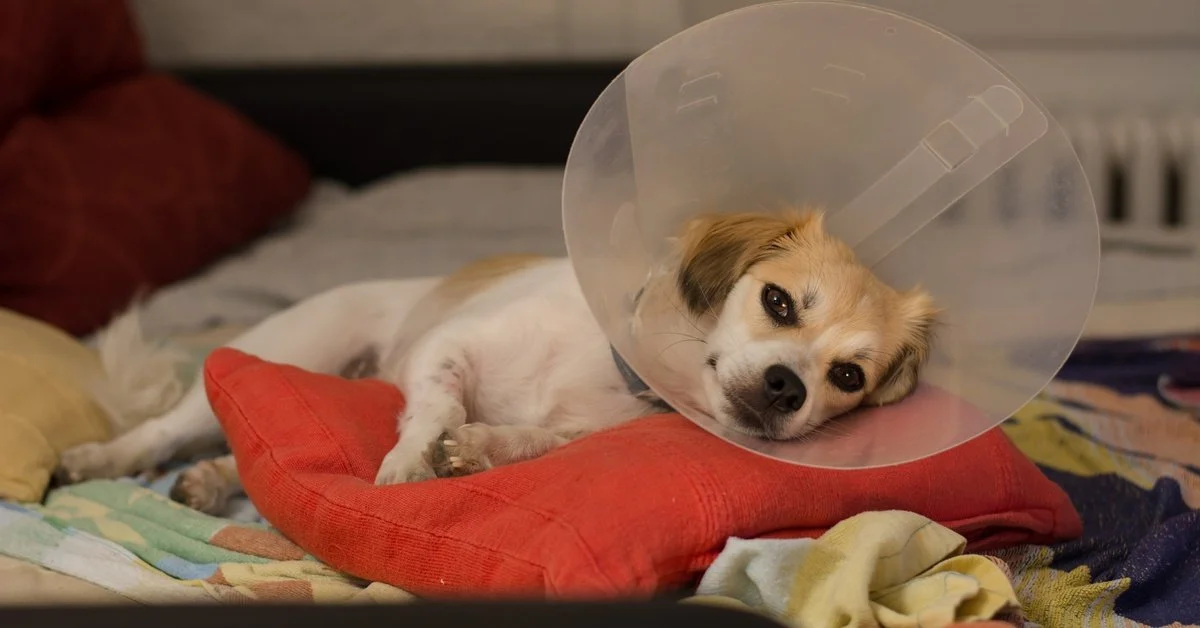
Know What Deserves a Call
A little sleepiness and mild soreness can occur after dental surgery, but some signs require prompt attention. You should never ignore ongoing bleeding from the mouth, repeated vomiting, swelling that seems to worsen, trouble breathing, or extreme lethargy. These signs indicate that your pet needs veterinary care.
It also helps to watch for signs of pain that exceed a normal recovery. Crying, pawing at the mouth, refusing all food, or acting distressed can indicate a problem. When in doubt, trust your instincts and call. Pet owners don’t have to figure everything out alone after a procedure.
Help Your Pet Feel Safe and Comforted
Recovery is more than just physical healing. Pets often feel vulnerable after a procedure, especially when they are still sleepy or sore. A calm voice, gentle petting if they want it, and a quiet routine can help them relax.
Some pets seek extra closeness, while others prefer to have space. Follow their cues. You understand your pet’s personality better than anyone, and that knowledge is important during recovery. Support may seem simple, but it still makes a difference.
Ask About Long-Term Dental Care
After your pet starts feeling better, it’s a good time to ask what comes next. Dental surgery often addresses a current problem, but ongoing oral care helps protect your pet’s comfort in the future. Your veterinary team can recommend when to resume brushing, dental treats, or other home care based on your pet’s needs.
This discussion offers an opportunity to ask about upcoming cleanings and routine exams. Preventive care is crucial in veterinary services since oral health impacts more than just the teeth. Staying proactive about dental care can help your pet avoid more discomfort in the future.
Keep Follow-Up Appointments
Recheck visits matter, especially after extractions or more complex dental work. These appointments let your veterinarian assess healing and answer any questions that came up once you got home. Even if your pet seems much better, follow-up care still has value.
A recheck can also give you peace of mind. You can confirm that healing looks good, talk about home dental care, and get a clearer picture of what your pet needs moving forward. That kind of support helps pet owners feel more prepared and connected to their care team.
A Smoother Recovery Starts With Support
Taking care of your pet after dental surgery involves careful observation, gentle routines, and following your veterinary team's instructions. Most pets recover smoothly with rest, soft food, medication as prescribed, and a quiet space to heal. Small steps at home can make those first few days much easier for both of you.
If you ever feel unsure during recovery, contact a trusted veterinary team. Questions after surgery are normal, and clear answers can help you ensure your pet’s comfort and healing. With the right support at home and from experienced professionals, your pet has a better chance of returning to their normal self.
If you’re looking for a trustworthy and knowledgeable veterinarian in the Phoenix suburbs, turn to The Complete Pet Animal Hospital. Our veterinary hospital services are elite, and our staff will provide the best possible care for your pet. Don’t hesitate to reach out when your pet is under the weather.