
The Importance of Regular Grooming for Pet Health
Most people think of grooming as a way to keep a pet looking cute and smelling fresh. That part feels great, but grooming does much more than tidy fur. Regular grooming supports comfort, helps you spot changes early, and keeps small issues from turning into bigger hassles. It also gives you a built-in routine for checking in with your pet’s body, mood, and movement.
Grooming also strengthens the bond you share. Pets notice gentle, consistent handling. Many dogs and cats relax when they know what comes next. Over time, grooming time can feel like a calm reset for both of you. Let’s explore the importance of regular grooming for pet health.
Healthy Skin and Coat
Healthy skin and a clean coat work like a protective layer. They help regulate temperature, repel dirt, and reduce irritation. When grooming happens on a regular schedule, you remove loose hair, dander, and debris that can sit against the skin. You also spread natural oils through the coat, which supports softness and shine.
Brushing also helps prevent mats. Mats pull on skin and trap moisture and grime. That combination can irritate skin and create a rough environment for rashes. Mats also hide what you need to see, like redness, bumps, scabs, or tender spots. When you keep the coat manageable, you keep the skin visible and comfortable.
Different coats need different rhythms. Short coats still shed and still collect allergens. Long coats often need more frequent brushing because tangles form quickly. Curly coats can mat close to the skin and hide trouble. Your pet’s coat type can guide your routine, and a professional groomer can help you match tools and frequency to your pet.
Provides Shedding Control
Shedding frustrates many households, but a consistent grooming routine can reduce loose hair before it lands on furniture. That also helps your pet. When loose hair builds up, it can tangle into mats and trap heat. Regular brushing removes that extra layer and helps pets feel cooler and lighter, especially during warm Arizona months.
Cats face another issue. Cats swallow hair during self-grooming. Excess hair can contribute to hairballs and digestive upset. Routine brushing helps many cats handle seasonal shedding more comfortably. Your cat may not love the first few sessions, but gentle timing and short sessions can build trust.

Spot Parasites and Irritation Early
Fleas and ticks can slip into daily life without much warning. Routine grooming gives you a chance to look closely at the skin, especially around the neck, base of the tail, and behind the ears. You may notice flea dirt, small bites, or intense scratching sooner than you would otherwise.
Grooming also helps you notice dry patches, flaky areas, hot spots, or unusual odor. Skin can react to allergies, environmental irritants, and moisture trapped under a thick coat. When you notice changes early, you can reach out for guidance before your pet feels miserable.
If you find persistent itching, hair loss, scabs, or swelling, contact a veterinary team for the next steps. A veterinarian can help you sort out the cause and choose a safe plan that fits your pet’s age and health history.
Don’t Forget Nail Care
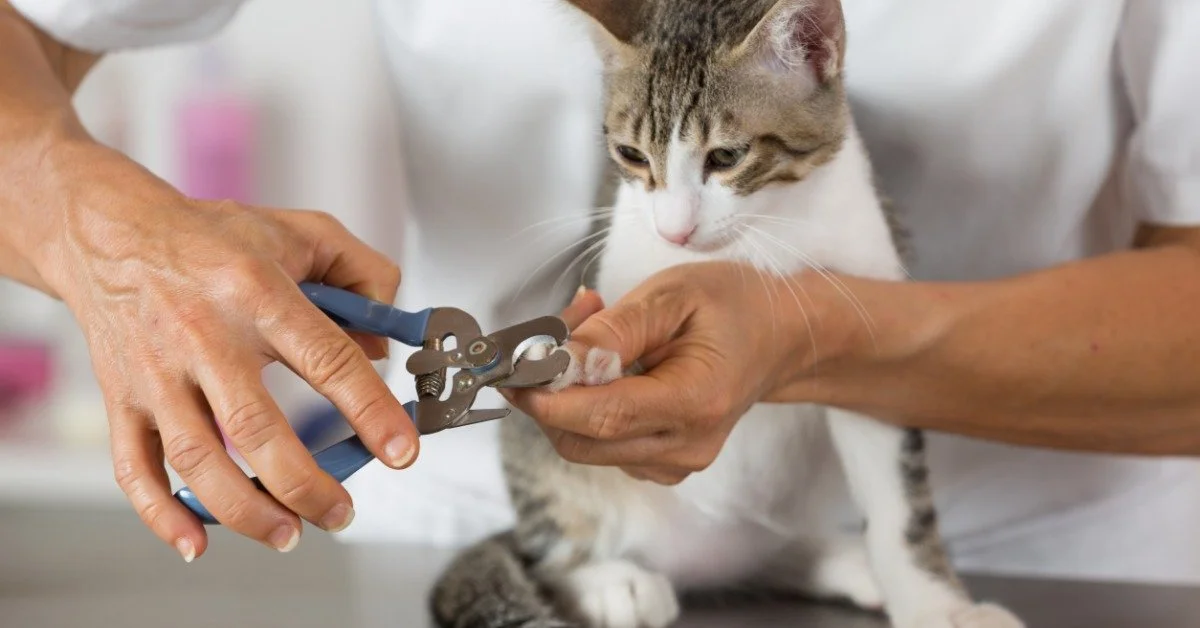
Nails affect how your pet stands, walks, and runs. When nails grow too long, they can alter posture and put extra pressure on joints. Long nails can also snag on rugs, split, or crack. Those breaks hurt, and they can bleed. Some pets also develop soreness when their nails push toes into awkward angles.
Regular nail trims help your pet move with confidence. You can pair nail trims with quick paw checks. Look for cracked pads, debris between toes, or tenderness when your pet walks. Dogs that spend time on hot pavement can develop pad irritation. Cats can get sharp nail tips that catch on fabric or skin.
Many pets resist nail trims, and that reaction makes sense. Hold short sessions, offer calm praise, and stop before stress builds. If your pet struggles, a groomer or veterinary team can handle trims safely and quickly.
Ear Cleaning Is Important
Ears can collect wax and debris, especially in pets with floppy ears or hair in the ear canal. Moisture and buildup can lead to irritation and a strong odor. Routine grooming gives you a moment to check the ears for redness, discharge, or frequent head shaking.
You do not need to do a deep clean at home to gain benefits. You can start with a gentle look and a wipe of the outer ear if your pet tolerates it. If you notice odor, swelling, or discharge, call your veterinary team. Ear issues can worsen fast, and professional care can bring relief sooner.
Dental and Facial Care Support Comfort
Many pets deal with bad breath, tartar buildup, and gum irritation. Grooming time gives you a chance to look at the mouth area without turning it into a wrestling match. You can lift the lips briefly and check for heavy tartar, red gums, drooling, or pawing at the mouth.
Face grooming matters too, especially for pets with wrinkles or longer facial hair. Tear staining and moisture around skin folds can irritate the skin. Gentle cleaning around the eyes and folds can keep that area more comfortable. If you see squinting, discharge, or swelling, contact your veterinary team for evaluation.
Build a Grooming Routine
A predictable grooming routine can lower anxiety over time. Start small. Choose a quiet room, keep sessions brief, and use calm handling. End on a positive note before your pet loses patience. Consistency matters more than perfection. Many pets learn that grooming feels safe when you keep the experience steady and kind.
You can also use grooming sessions to practice cooperative care. Touch paws, lift ears, and handle the body with gentle pressure. Those habits help pets tolerate veterinary exams and professional grooming appointments with less fear.
Senior Pets Need Extra Attention
As pets age, coat quality and mobility can change. Older pets may groom themselves less, especially cats with arthritis or stiffness. That can lead to mats, dandruff, and skin sensitivity. Senior dogs may also struggle to stand for long grooming sessions.
Short, frequent grooming sessions can help. Focus on comfort. Use soft brushes, support your pet’s body, and take breaks. Pay attention to new lumps, changes in weight, or soreness during handling. When something feels off, a veterinarian in Litchfield Park, AZ can help you figure out what your pet needs and how to keep grooming comfortable.
Professional Grooming Plays a Helpful Role
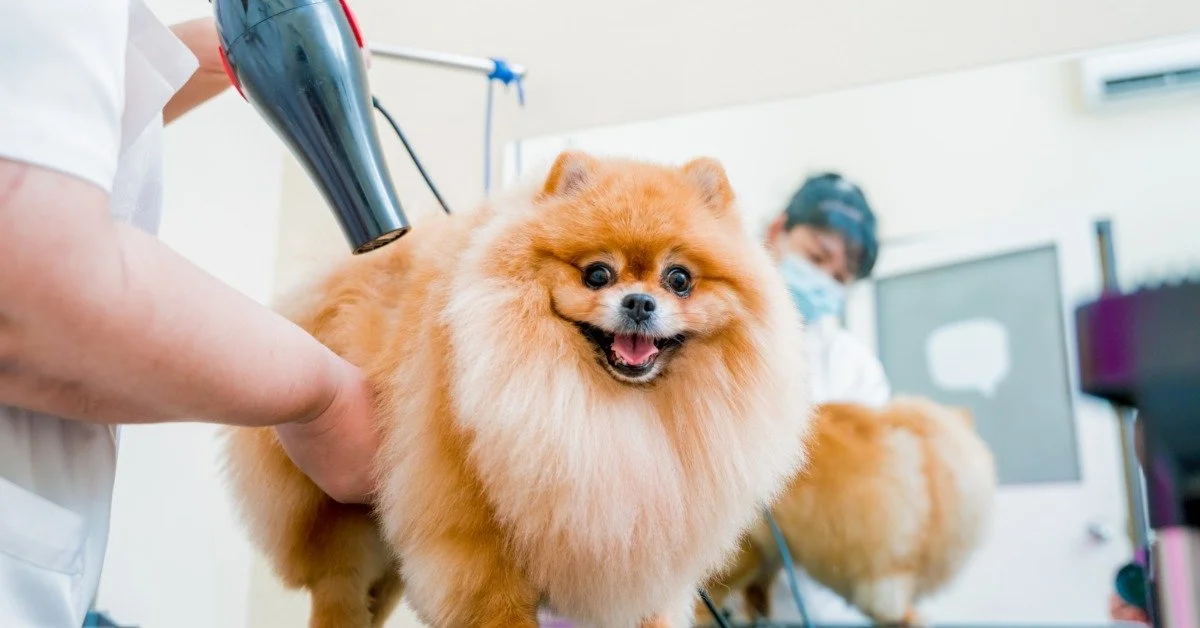
Home grooming works well for many families, but professional grooming adds value in several situations. A groomer can manage heavy shedding, tight mats, breed-specific coat needs, and challenging nail trims. Groomers also handle sanitary trims and thorough bathing with pet-safe equipment.
Professional grooming also helps when your pet hates brushing at home. A skilled groomer can work efficiently and reduce the overall stress time. Some pets respond better to a neutral setting with a professional routine.
If your pet has skin concerns, persistent itching, ear odor, or pain during handling, talk with your veterinary team before you schedule grooming. That conversation can prevent discomfort and help everyone approach grooming safely.
How Often Should Grooming Happen
Most pets benefit from consistent, year-round grooming. The best schedule depends on coat type, activity level, and comfort. A short-coated dog may do well with weekly brushing and periodic baths. A long-coated dog may need brushing several times a week to prevent tangles. Many cats benefit from weekly brushing, with more frequent sessions during seasonal shedding.
Instead of chasing a perfect timeline, watch what your pet’s coat and skin tell you. When brushing pulls out clumps, tangles form quickly, or odor appears sooner, increase frequency. When the coat stays smooth, and the skin looks calm, maintain the routine that works.
A Healthier Pet Starts With Small, Steady Care
Regular grooming supports every pet’s health in a quiet, practical way. It helps you manage shedding, protect skin, keep nails comfortable, and spot changes early. It also gives your pet more comfort in daily life, from smoother movement to less itching and fewer tangles.
If you want help building a grooming routine that fits your dog or cat, the team at The Complete Pet Animal Hospital can talk through options and support your pet’s comfort. A consistent plan can make grooming easier, calmer, and more beneficial over time.
