
Reasons Why Microchipping Your Pet Is So Important
Every pet owner shares the same quiet fear: the moment a beloved dog or cat slips out the door, bolts after a sound, or fails to come home after a routine outing. Even the most careful households experience accidents, and pets act on instinct, not intention. Microchipping offers one of the simplest and most powerful ways to protect pets when the unexpected happens. That tiny device, smaller than a grain of rice, can mean the difference between a joyful reunion and a heartbreaking loss. Microchipping does not replace collars, tags, or training, but it adds a permanent layer of protection that travels with a pet for life. Continue reading to explore reasons why microchipping your pet is so important.
Lost Pets Happen Faster Than Anyone Expects
Many pets go missing during moments that seem harmless at the time. A door stays open for a second too long. A leash slips from a hand. Fireworks, storms, or unfamiliar noises trigger a sudden dash. Even indoor cats find ways outside when windows open or guests come and go. Dogs with excellent recall still react to fear or excitement. Once a pet leaves familiar territory, panic often sets in, which makes it harder for them to find their way home.
Microchipping gives lost pets a voice when they cannot speak for themselves. Shelters, veterinary hospitals, and animal control teams scan found pets as a routine step. When a scanner reads a registered microchip, it links directly to the owner’s contact information. That connection works even if a collar breaks or a tag falls off. Microchips stay in place under the skin, and they remain readable for a pet’s entire life.
Collars and Tags Do Not Last Forever
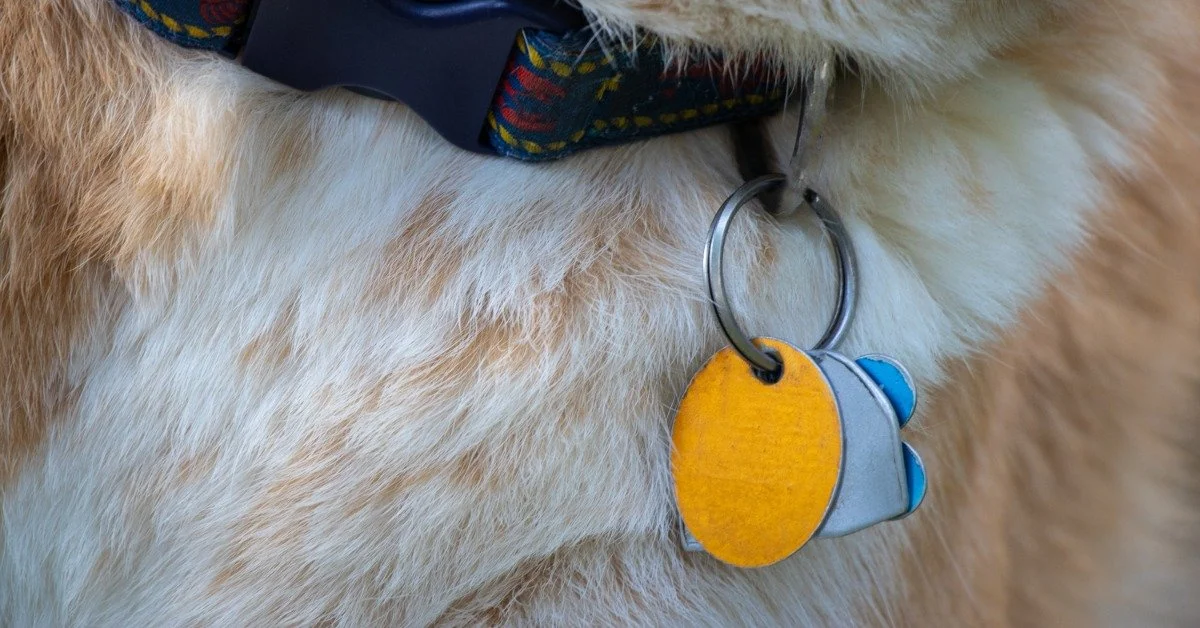
Collars play an important role in pet safety, yet they come with limits. Dogs can slip out of collars during stressful situations, especially when fear or adrenaline takes over. Cats often wear breakaway collars designed to release for safety, which means tags disappear easily. Tags fade, bend, or fall off over time. Phone numbers change, and outdated tags create dead ends for good Samaritans.
Microchips work differently because they do not rely on external accessories. A veterinarian places the chip just beneath the skin between the shoulder blades. The procedure takes seconds and feels similar to a routine vaccination. After placement, the chip stays invisible and inactive until a scanner reads it. That permanence gives owners peace of mind that identification stays with their pet no matter what happens outside the home.
Helps Pets Return Home
Animal shelters face overwhelming numbers of stray animals every day. Staff members want to reunite pets with their families as quickly as possible, yet identification often stands in the way. Without a chip or readable tag, shelters must hold pets for required periods before adoption or transfer. That delay adds stress for pets and owners alike.
Microchipped pets often bypass that waiting period because shelters can contact owners right away. Faster reunions reduce time spent in kennels and lower the emotional toll on animals. Owners also avoid unnecessary boarding fees or extended searches. A single scan can bring clarity during an otherwise chaotic situation.
Supports Emergency Situations
Emergencies add another layer of complexity when pets become separated from their families. Natural disasters, house fires, and car accidents disrupt normal routines and scatter animals in unfamiliar environments. During evacuations, pets sometimes escape carriers or fencing while families focus on safety.
In emergency pet care settings, microchips help veterinary teams identify patients who arrive without owners. When a hospital receives an injured pet brought in by a stranger or first responder, staff scan for a chip immediately. That scan helps reconnect families and allows care teams to communicate medical decisions with the right people as quickly as possible. Clear identification matters when time counts.
Offers Lifelong Identification
Unlike licenses that require annual renewal or tags that need replacement, microchips provide permanent identification. Once placed, the chip does not expire or require maintenance. The responsibility shifts to the owner to keep contact details current in the registry database. Updating a phone number or address takes minutes and keeps the system working as intended.
That longevity makes microchipping especially valuable for pets with long lifespans. Cats often live well into their teens, and many dogs enjoy long, active lives. Over those years, families move, phone numbers change, and circumstances evolve. A microchip adapts easily to updated information, while physical tags often lag behind.
Protects Against Pet Theft
Pet theft occurs more often than many owners realize, especially with certain breeds or friendly animals that trust strangers easily. Microchips help establish proof of ownership if disputes arise. Veterinary records linked to a microchip create a clear trail that supports rightful ownership.
When law enforcement or animal control becomes involved, a registered microchip strengthens the case for returning a stolen pet. That added layer of protection gives owners confidence that their pet carries verifiable identification that cannot disappear or get altered.
Strengthens Responsible Pet Ownership
Responsible pet ownership extends beyond food, shelter, and affection. Identification plays a key role in accountability and community safety. Microchipping supports local efforts to reduce stray populations and overcrowded shelters. When pets return home quickly, communities experience fewer long-term strays and less strain on animal services.
Veterinary teams view microchipping as part of comprehensive preventive care. Alongside vaccinations, wellness exams, and dental care, identification protects a pet’s future. Owners who choose microchipping demonstrate foresight and commitment to their pet’s long-term well-being.
Work for Dogs and Cats
Some cat owners assume indoor cats do not need microchips, yet cats account for a large number of lost pets. Curious personalities, sudden scares, or simple human error can lead to outdoor escapes. Cats also travel farther than many owners expect, which complicates searches.
Dogs benefit just as much from microchips, especially those who accompany families on hikes, trips, or visits to unfamiliar places. New environments increase the risk of separation. A microchip acts as a constant safety net regardless of location.
Quick and Simple Process
Veterinarians place microchips during routine appointments, spay or neuter procedures, or wellness visits. Puppies and kittens can receive chips early in life, and adult pets tolerate the procedure well. No recovery time or special aftercare follows placement.
After implantation, registration completes the process. Owners choose a reputable registry and confirm accurate contact details. Many veterinary hospitals help with registration and answer questions about maintaining current information. That small step activates the chip’s full potential.
Complements High‑Quality Veterinary Care
Microchipping fits naturally into a broader approach to high-quality veterinary care. Veterinary hospitals that focus on preventive services often emphasize early identification, routine exams, and client education. When pets receive consistent care, veterinary teams build strong relationships with families and maintain accurate medical records tied to identification.
In urgent situations, that continuity helps care teams act quickly and confidently. Whether a pet needs same-day evaluation or emergency pet care, clear identification supports communication and treatment planning. Owners gain reassurance knowing their pet’s medical team can identify them without delay.
A Small Step With Lifelong Impact
Microchipping represents one of the most meaningful decisions a pet owner can make. The procedure takes minutes, costs far less than extended searches or shelter fees, and lasts a lifetime. That tiny chip carries enormous emotional value because it protects the bond between pets and their families.
Pets depend on humans for safety and guidance. While no system offers absolute protection, microchipping dramatically improves the odds of reunion after separation. Combined with collars, tags, and attentive care, microchips create a strong safety net that travels wherever a pet goes.
Peace of Mind That Stays With You
The thought of losing a pet weighs heavily on every owner’s heart. Microchipping does not eliminate risk, yet it transforms uncertainty into preparedness. When the unexpected happens, owners gain confidence knowing they took a proactive step to protect their pet.
Veterinary teams encourage microchipping because they witness reunions that might not have happened otherwise. Tears turn into relief when scanners reveal contact information and phones start ringing. Those moments remind everyone involved why microchipping matters so deeply.
A loving home begins with thoughtful choices. Microchipping stands as one of the simplest, most effective ways to safeguard a pet’s future and preserve the bond that matters most.
