
The Importance of Parasite Prevention for Dogs and Cats
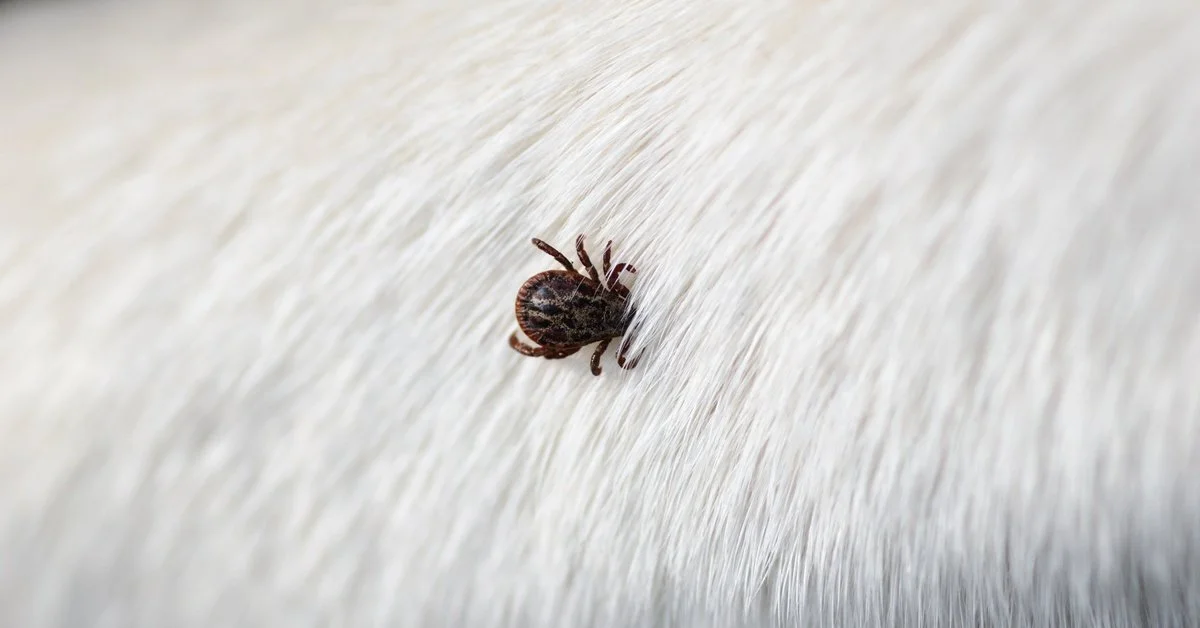
Parasites—a word that sends shivers down the spines of pet owners everywhere. Parasites are, by definition, any organism that lives on or inside another organism (the host) and benefits at the host’s expense. If they choose your pet as a host, they can cause all kinds of health problems, from mild irritation to life-threatening conditions.
The good news is that there are many methods of parasite prevention available that can keep these creepy crawlies away from pets in the first place. The importance of parasite prevention for dogs and cats can’t be overstated when it comes to maintaining your furry friend’s health and happiness.
Let’s talk more about what parasites are, common types, and what you can do as a responsible pet owner to protect your beloved companion.
What Are Parasites, and What Are Some Common Types?
Parasites are opportunistic creatures that survive by feeding off other living beings. They range from microscopic organisms to visible worms and insects. These unwanted guests don’t pay rent, and they certainly don’t contribute positively to your pet’s well-being.
When it comes to our four-legged family members, several types of parasites pose threats:
Fleas: tiny jumping insects that feed on blood and cause intense itching
Ticks: blood-sucking arachnids that attach to skin and can transmit diseases
Heartworms: dangerous worms transmitted by mosquitoes that affect the heart and lungs
Roundworms: intestinal parasites that can grow several inches long
Hookworms: small worms that attach to intestinal walls and feed on blood
Tapeworms: segmented worms that live in the digestive tract
Ear mites: microscopic mites that live in ear canals and cause severe irritation
Each type has its own preferred method of invasion and specific symptoms. Unfortunately, pets often become infected before owners notice any problems.
What Issues Can Parasites Cause?

The effects of parasite infestations range from annoying to downright dangerous. Your pet’s reaction depends on the type of parasite, the severity of infestation, and your pet’s overall health status.
Skin and Coat Problems
Fleas and ticks create obvious discomfort for pets. Constant scratching, biting, and licking can lead to hot spots, hair loss, and secondary bacterial infections. Some pets develop flea allergy dermatitis, which causes severe skin reactions even from a single flea bite.
This constant irritation and inflammation can quickly turn the skin into a breeding ground for more serious complications. Open wounds from excessive scratching invite bacterial infections that require additional treatment.
Digestive Issues
Internal parasites wreak havoc on your pet’s digestive system. Worms compete with your pet for nutrients, often leading to weight loss despite normal appetite. Diarrhea, vomiting, and changes in bowel movements are common signs of intestinal parasites.
Severe infestations can cause intestinal blockages or damage to the intestinal lining. Young puppies and kittens are particularly vulnerable to dehydration from parasite-related digestive problems.
Serious Health Complications
Some parasites pose life-threatening risks. Heartworms, for example, can cause heart failure, lung disease, and death if left untreated. Heavy flea infestations can lead to anemia, especially in young or small pets.
Ticks transmit various diseases, including Lyme disease and Rocky Mountain spotted fever. These conditions can affect multiple organ systems and require intensive treatment.
How To Avoid Parasites
Prevention beats treatment every time. Several strategies can reduce your pet’s exposure to these unwanted guests.
Maintain a clean environment: Regular vacuuming, washing pet bedding, and keeping yards tidy reduces parasite populations.
Limit exposure to contaminated areas: Avoid areas with standing water, tall grass, and heavy wildlife activity when possible.
Practice good hygiene: Wash your hands after handling pets and clean up waste promptly.
Check pets regularly: Look for signs of fleas, ticks, or other parasites during grooming sessions.
Keep pets indoors when feasible: Indoor pets face fewer parasite exposure risks than outdoor pets.
Maintain proper nutrition: Healthy pets with strong immune systems better resist parasite infections.
Control other animals’ access: Prevent stray or wild animals from entering your property and potentially spreading parasites.
These steps create barriers between your pet and potential parasite sources. Yet even the most careful pet owners can’t eliminate all risks through environmental control alone.
What Is Medical Parasite Prevention, and How Does It Work?

While you can take many steps to reduce parasite exposure, none is more effective than medical parasite prevention. These treatments work by creating a protective barrier that kills or repels parasites before they can establish themselves on your pet.
Forms of Parasite Prevention
Modern parasite prevention comes in various forms. Topical treatments applied to the skin provide month-long protection against fleas, ticks, and sometimes mosquitoes. Oral medications offer internal protection against heartworms and intestinal parasites.
Many products combine multiple active ingredients to target different parasite types simultaneously. This comprehensive approach means one treatment can protect against fleas, ticks, and various worms at the same time.
How Does It Work?
Parasite prevention for dogs and cats works by maintaining consistent levels of medication in your pet’s system. These medications either kill parasites on contact or make your pet’s blood toxic to parasites that attempt to feed.
Timing Is Key
The timing matters tremendously. Starting prevention before exposure occurs gives your pet the best protection. Most veterinarians recommend year-round prevention because parasite activity doesn’t stop completely in the colder months.
Safety and Efficacy
Some pet owners worry about giving their pets medication regularly. However, modern parasite preventatives undergo extensive safety testing and have excellent safety records when used as directed. Plus, the risks from parasite infestations far outweigh the minimal risks from prevention medications.
Protect Your Pet
Parasites can pose a serious risk to your pet, but you can protect your furry friend by creating a barrier to keep them away! What makes parasite prevention for dogs and cats so important is that it’s hands down the smartest, most cost-effective approach to parasite control.
The Complete Pet Animal Hospital is a pet urgent care center in Litchfield Park, AZ, that offers a range of services for pet parents and their babies. These include thorough examinations to assess your pet’s risk factors and personalized recommendations for pest prevention medications and treatment plans.
Our team can help you choose the right prevention plan so that you don’t have to worry about these unwelcome guests affecting your pet’s health and happiness.
