
How To Prepare Your Pet for Surgery at the Vet
Scheduling surgery for your beloved pet can feel overwhelming. You want to do everything possible to help your furry friends have a smooth experience and a quick recovery. The good news is that proper preparation can significantly improve surgical outcomes and your pet’s overall comfort level.
Veterinary surgery has become increasingly safe and routine, but your active participation in the preparation process plays a crucial role in your pet’s success. From pre-surgical examinations to post-operative care, each step requires your attention and understanding. This comprehensive guide will walk you through everything you need to know to prepare your pet for their upcoming procedure.
Understanding what lies ahead helps reduce anxiety for both you and your pet. Here’s how to prepare your pet for surgery at the vet.
Initial Consultation and Pre-Surgical Examination
Your veterinarian will conduct a thorough examination before scheduling any surgical procedure. This appointment serves multiple purposes, providing you with the opportunity to discuss any concerns or questions you may have.
During the consultation, your vet will explain the specific procedure your pet needs and why it’s necessary. They will review your pet’s medical history, current medications, and any previous surgical experiences. This information helps them tailor the surgical approach to your pet’s individual needs.
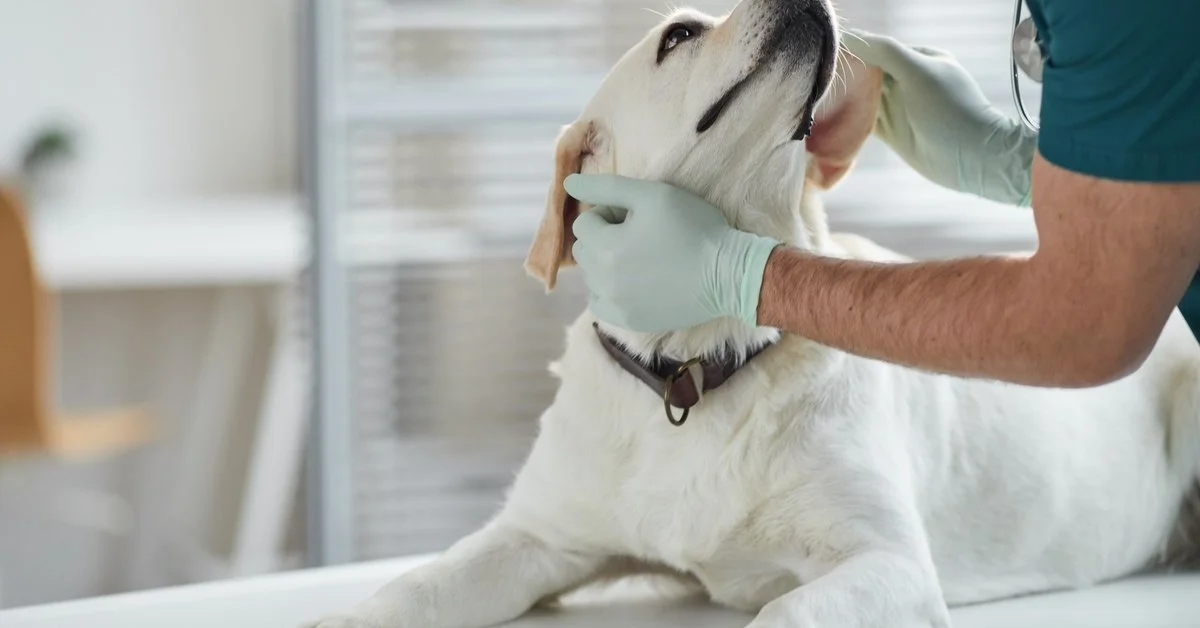
The physical examination focuses on your pet’s overall health status. Your veterinarian will check vital signs, listen to the heart and lungs, and examine the area that requires surgery. They may also assess your pet’s weight, as obesity can increase surgical risks and affect anesthesia management.
Ask questions about the procedure itself, recovery time, and potential risks associated with it. Understanding these details helps you make informed decisions and prepare adequately for the surgery and recovery period. Your veterinarian should explain the anesthesia protocol they plan to use and discuss any special considerations specific to your pet’s age, breed, or health condition.
Pre-Anesthetic Blood Work and Health Evaluations
Most veterinarians recommend pre-anesthetic blood work before surgery, especially for older pets or those with pre-existing health concerns. These tests assess organ function and identify potential complications that may come up during anesthesia or surgery.
The blood panel typically includes a complete blood count to check for anemia or infection, as well as a chemistry panel that evaluates kidney and liver function. These organs process anesthetic drugs, so knowing they function properly helps your veterinarian choose the safest anesthetic protocol for your pet.
Some pets may require additional testing based on their age or health status. Older animals might need electrocardiograms to evaluate heart function, while pets with specific health conditions may require specialized tests. Your veterinarian will explain which tests they recommend and why each one is important for your pet’s safety.
Results from these tests allow your veterinarian to adjust the anesthetic plan if needed. If the blood work reveals any concerns, your vet might recommend postponing surgery until they address the issue or modifying the surgical approach to accommodate your pet’s health status.
Fasting Guidelines: Preparing Your Pet’s Diet
Proper fasting before surgery prevents complications related to anesthesia. When pets have food in their stomachs during surgery, they risk vomiting and potentially inhaling stomach contents into their lungs, which can cause serious respiratory problems.
Most veterinarians recommend withholding food for 12 hours before surgery, though specific timing may vary based on your pet’s age and the procedure scheduled. Puppies and kittens under six months old typically require shorter fasting periods due to their higher risk of low blood sugar.
Water restrictions typically begin two to four hours before surgery. Your veterinarian will provide specific instructions about when to remove water from your pet. Follow these guidelines precisely, as they directly impact your pet’s safety during the procedure.
If your pet takes regular medications, ask your veterinarian whether to continue giving them before surgery. Some medications should continue as normal, while you may need to withhold others. Never make assumptions about medication schedules without consulting your veterinary team.
Home Preparation for a Smooth Recovery
Creating a comfortable recovery space at home before surgery can help reduce stress when you return with your pet. Choose a quiet area away from household traffic where your pet can rest undisturbed. This space should be an area where you can clean easily in case of accidents and have comfortable bedding that is easy to wash.
Remove any obstacles that might tempt your pet to jump or climb during recovery. Put away toys, food puzzles, or other items that encourage active play. Your pet will need to restrict their activity level for several days or weeks after surgery, depending on the procedure.
Stock up on any necessary supplies for post-operative care. These might include prescribed medications, special food recommended by your veterinarian, or wound care supplies. Having everything prepared in advance prevents last-minute trips to the store when you should be focusing on your pet’s recovery.
Consider how you’ll manage other pets in the household during the recovery period. You may need to separate animals to prevent rough play or competition for attention. Plan feeding arrangements if your recovering pet requires a special diet or medication schedule.
What To Expect on the Day of Surgery
Arrive at the veterinary clinic at the scheduled time with any required paperwork or items your veterinarian requested. The staff will review pre-surgical instructions and may ask you to confirm that you followed fasting guidelines correctly.
Your veterinarian or a technician will explain the day’s schedule and provide you with an estimated pickup time. Surgery schedules can vary based on case complexity and unforeseen circumstances, so it’s essential to maintain flexibility in your plans. Most clinics will call you with updates if procedures take longer than expected.
Before you leave, ask about post-operative instructions and when you should expect to hear from the veterinary team. Some clinics provide written discharge instructions in advance, while others prefer to discuss care instructions when you pick up your pet.
Many pet owners find it emotionally difficult to leave their companion for surgery. Remember that your pet is in capable hands, and the veterinary team understands your concerns. Most pets handle surgery remarkably well and recover more quickly than their owners expect.
Post-Operative Care at Home
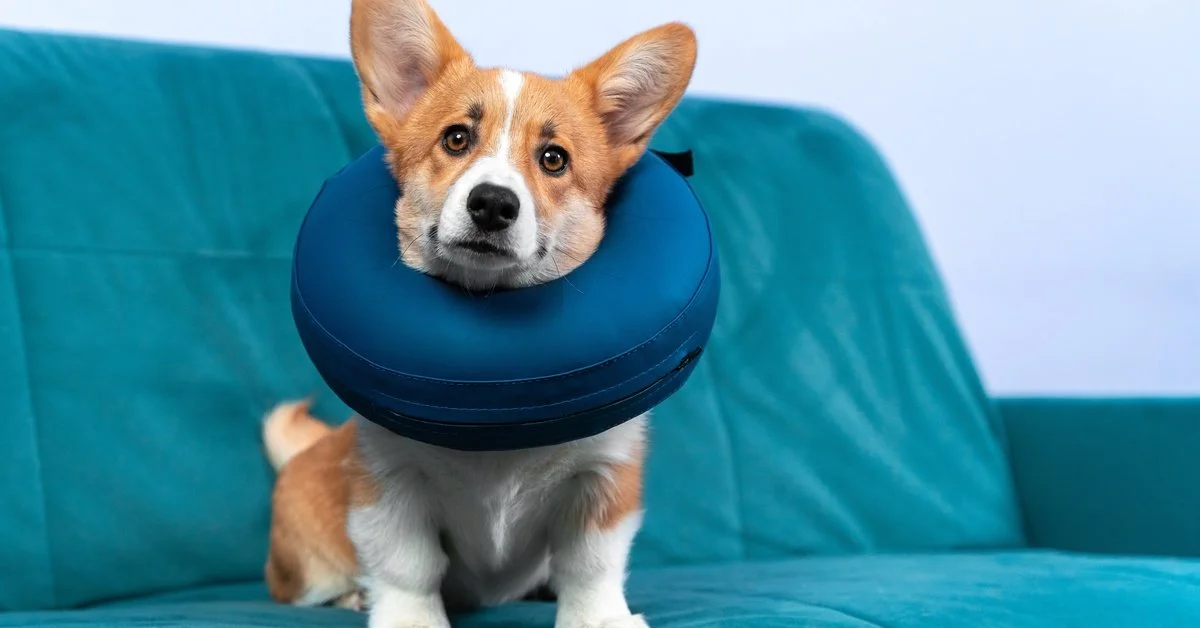
When you pick up your pet after surgery, they may still feel drowsy from anesthesia. This drowsiness is completely normal and typically resolves within 24 hours. Provide a quiet, warm place for your pet to rest and allow them to sleep as much as they want.
Monitor the surgical site daily for signs of proper healing. The incision should appear clean and dry, with edges that stay together. Some mild swelling and bruising around the surgical site is normal, but excessive swelling, discharge, or opening of the incision requires immediate veterinary attention.
Follow activity restrictions exactly as prescribed. Most pets want to return to normal activity levels before their bodies have healed sufficiently. Preventing jumping, running, and rough play protects the surgical site and promotes proper healing. Leash walks may be acceptable for some procedures, but always follow your veterinarian’s specific guidelines.
Administer medications exactly as prescribed, even if your pet appears to be feeling fine. Pain medications help keep your pet comfortable during the healing process, while antibiotics prevent infections. Complete the entire course of any prescribed medications unless your veterinarian instructs otherwise.
Potential Complications and How To Handle Them
While serious complications from routine veterinary surgery are uncommon, knowing what to watch for helps you respond appropriately if problems arise. Contact your veterinarian immediately if you notice excessive swelling, bleeding, discharge from the surgical site, or if the incision appears to be opening.
Changes in your pet’s behavior or appetite can signal complications. Pets who refuse to eat for more than 24 hours after surgery, seem excessively lethargic beyond the first day, or show signs of pain despite medication may need additional evaluation.
Some pets develop reactions to anesthetic drugs or medications prescribed for recovery. Vomiting, diarrhea, difficulty breathing, or unusual behaviors warrant immediate veterinary attention. Keep your veterinarian’s phone number and information about local emergency pet services easily accessible.
If you notice any concerning symptoms outside of regular clinic hours, don’t hesitate to contact The Complete Animal Pet Hospital. Most complications respond well to prompt treatment, but delays can sometimes lead to more serious problems. We’re here to help.
Supporting Your Pet’s Successful Recovery
Preparing your pet for surgery involves careful attention to pre-operative instructions, creating a suitable recovery environment, and understanding what to expect throughout the process. Your active participation has a significant impact on your pet’s surgical experience and recovery timeline.
Remember that every pet heals at their own pace, and some procedures require longer recovery periods than others. Patience during the healing process and strict adherence to post-operative instructions give your pet the best chance for a complete recovery without complications.
Your veterinary team remains available to answer questions and address concerns throughout your pet’s recovery. Don’t hesitate to contact them if anything seems unusual or if you need clarification about care instructions. Working together, you can help your pet return to their normal, healthy life as quickly and comfortably as possible.
